Category Archives: Garbage Trucks

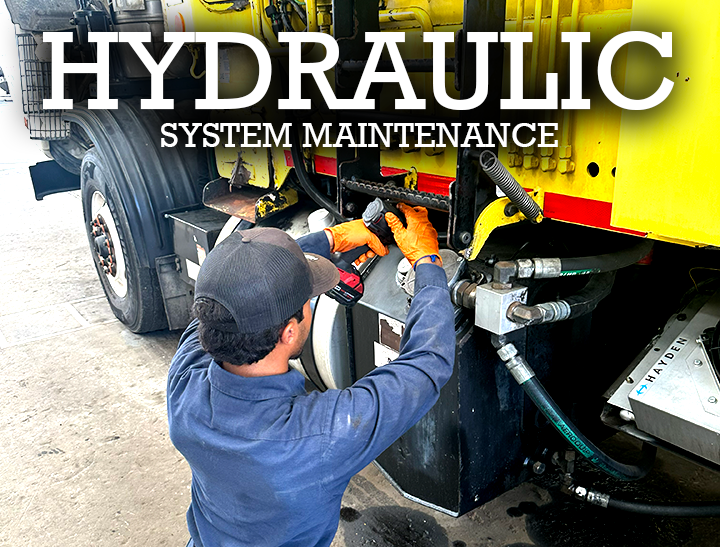
Cold Weather Hydraulic Maintenance: What 40 Years in Refuse Has Taught Me

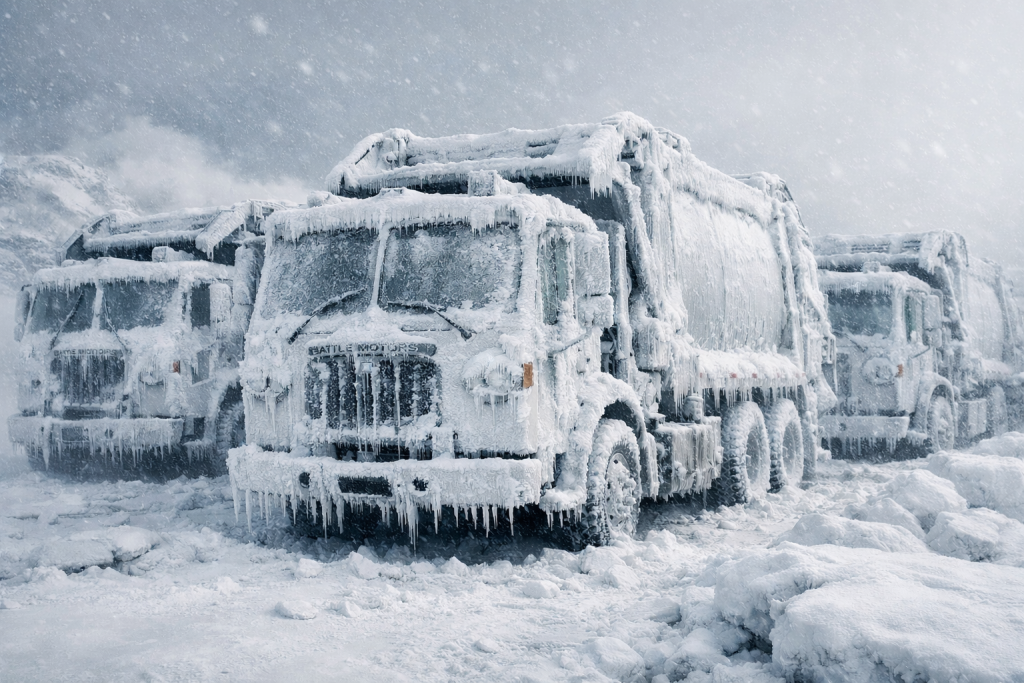
Garbage trucks in freezing winter conditions highlighting the need for cold weather hydraulic maintenance

After more than four decades in this industry starting back in 1983 when I was riding routes at 5 AM just to learn the business, I’ve seen plenty of trucks sidelined by cold weather problems that could have been prevented. Hydraulic issues top that list every single winter. This is what 40 years of experience has taught me about cold weather hydraulic maintenance.

Why Cold Weather Hits Hydraulics So Hard

Here’s what I tell every customer who calls in December wondering why their packer is acting sluggish: hydraulic fluid doesn’t like cold any more than you do.

When temperatures drop, that fluid thickens up considerably. I’ve watched operators jump in a truck on a 25-degree morning, fire it up, and immediately start cycling the packer at full speed. That’s asking for trouble. Thick, cold fluid can’t flow through lines and valves the way it needs to. The pump strains to pull fluid that moves like molasses. Pressures spike. Seals that were fine yesterday started weeping because they’re stiff and can’t flex properly.

I learned this lesson the hard way years ago, and I’ve seen the repair bills to prove it, blown hoses, damaged pumps, cylinders that needed rebuilding. All because someone was in a hurry on a cold morning.


What Actually Works

Give Your Truck Time to Wake Up

I know routes are tight and every minute counts. But five to ten minutes of warm-up, followed by running the packer through a few slow, easy cycles before you head out, saves hours of downtime later. Let that fluid circulate and warm up gradually. Your hydraulic system will thank you.

Check Your Fluid Rating

Not all hydraulic fluid handles cold the same way. If you’re running standard fluid and operating in temperatures that regularly dip below freezing, talk to your parts department about a multi-viscosity fluid designed for wider temperature swings. It’s a simple change that makes a real difference.

Watch Your Seals and Hoses

Cold makes rubber stiff and brittle. That small seep that you’ve been ignoring. It’s about to become a real leak when temperatures drop and that hose or seal can’t flex anymore. Winter is when marginal components fail. Walk around your truck and look, really look, for any signs of fluid where it shouldn’t be.

Listen to Your Equipment

After enough years, you develop an ear for what sounds right and what doesn’t. A pump working too hard has a different tone. Cylinders that are starving for fluid don’t move smoothly. If something sounds off on a cold morning, don’t push it. Let it warm up more or get it checked out.


The Real Cost of Skipping This

I’ve sold over 8,400 trucks through RDK since 1997, and I’ve had countless conversations with operators about what went wrong. The pattern is always the same: cold snap hits, someone’s running behind, they skip the warm-up, and by noon they’re on the phone needing emergency service.

A blown hydraulic hose on route doesn’t just mean a repair bill. It means a truck sitting on someone’s street leaking fluid. This also means a route that doesn’t get finished and your other trucks and crews are scrambling to cover. One shortcut in the morning turns into a full day’s headache.


Bottom Line – Cold Weather Hydraulic Maintenance

Treat your hydraulic system with a little extra patience when it’s cold outside. The few minutes you invest in proper warm-up and the attention you pay to fluid condition and component wear will keep your trucks running when you need them most.

That’s not just advice I give, it’s how we’ve operated for nearly 30 years at RDK. Take care of the equipment, and it takes care of you.


Have questions about cold weather hydraulic maintenance or need parts for your fleet? Contact RDK Truck Sales we’ve been keeping refuse trucks running since 1997.

Extreme Cold Weather Fleet Maintenance

Brutal Cold Incoming: Protect Your Fleet This Weekend!

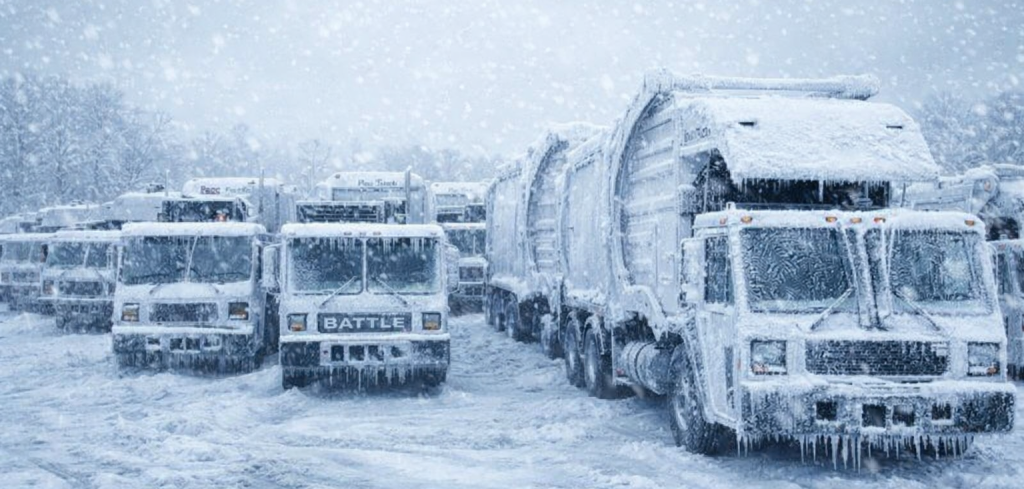
Fleet of garbage trucks and semi trucks covered in ice and snow during extreme cold weather

By Richard Kemner, RDK Truck Sales | January 2026 | Cold Weather Fleet Maintenance

If you’re running routes anywhere from the Midwest to the Northeast and Mid-Atlantic
this weekend, you already know what’s coming. We’re looking at temperatures dropping
well below freezing—some areas dipping below zero—with ice storms, snow, and
freezing sleet making things even more challenging.

After 40+ years in this industry, I’ve seen plenty of cold snaps. But today’s trucks and
equipment require a different game plan than they did 20 years ago. Here’s what you
need to know to keep your fleet moving.

The DEF Problem: Your Biggest Cold Weather Enemy
Diesel Exhaust Fluid freezes at 12°F (-11°C). That’s not “below zero” cold—that’s a
regular winter night in half the country this weekend.

What happens when DEF freezes: Your truck goes into derate mode (reduced power).
In severe cases, the engine won’t start at all. The DEF tank and lines can crack if
completely frozen.

What to do: Keep trucks in heated buildings overnight whenever possible. If outdoor
parking is your only option, use DEF tank heaters. Run the engine periodically to keep
the system warm. Never add additives to DEF—it voids warranties and damages the
system. Keep DEF tanks at least half full; less fluid freezes faster.

DPF and Aftertreatment Systems
The Diesel Particulate Filter and SCR systems on modern trucks hate cold weather.
Regen cycles take longer, sensors get sluggish, and the whole system works overtime.

Watch for: Extended regen times tying up trucks. Warning lights from cold sensors
giving false readings. Blocked regens if trucks are doing short runs and shutting down
before completing cycles.

What to do: Let trucks fully complete regen cycles before shutting down—even if it
means idling an extra 20 minutes. Don’t ignore warning lights; cold weather amplifies
small issues into big problems. If a truck has been sitting in extreme cold, let it idle and
warm up before hitting the road.

Hydraulic Systems: Your Packer’s Worst Nightmare
This is where I see crews get into real trouble. Hydraulic fluid thickens dramatically in
cold weather. What flows like water at 70°F moves like honey at 10°F—and barely
moves at all below zero.

The problems you’ll see: Slow or jerky packer operation. Cylinders that won’t fully
extend or retract. Increased strain on pumps (leading to premature failure). Seals that
crack and start leaking.

What to do: Warm up the hydraulic system before running full cycles—operate the
packer slowly through several partial cycles first. Check hydraulic fluid levels; cold
weather reveals low fluid faster. Inspect all hoses and fittings for cracks before heading
out. Consider switching to a lower-viscosity hydraulic fluid for winter operations if you
haven’t already.

Packing Frozen Trash: Physics Works Against You
Here’s something newer operators don’t always think about: frozen garbage doesn’t
compact like regular garbage. When trash is frozen solid, your packer is essentially
trying to crush ice blocks. This puts tremendous strain on the packer, the hydraulics,
and the truck’s PTO system.

What to do: Don’t force it—if the packer is struggling, back off. Expect reduced
payload; frozen material takes up more space. Run more frequent trips rather than
trying to crush frozen loads into one haul. Inspect packer blades and components for
damage after running frozen loads.

Quick Pre-Trip Checklist for Extreme Cold
Before your drivers head out this weekend:

  1. Check all fluid levels – engine oil, coolant, hydraulic fluid, DEF
  2. Inspect batteries – cold weather kills weak batteries; test them now
  3. Look at air dryers and tanks – moisture freezes and locks up brakes
  4. Test all lights – shorter days mean more time running in the dark
  5. Verify tire pressure – cold drops PSI; check and adjust
  6. Confirm heaters work – cab heaters and DEF tank heaters
  7. Check wipers and washer fluid – use winter-rated fluid only

The Bottom Line
Modern trucks give us better fuel economy, cleaner emissions, and more power than
ever. But they also demand more attention in extreme weather. The crews that take 30
extra minutes to prep their equipment this weekend are the ones who won’t be stuck on
the side of the road calling for a tow.

Stay safe out there. If you need parts, service support, or just want to talk through what
you’re seeing in the field, give us a call. That’s what we’re here for.
RDK Truck Sales has been serving the refuse industry since 1997. We’re an
independent dealer representing Battle Motors, Pac-Mac, New Way, Labrie, and all
major chassis manufacturers. Sales, service, parts, and leasing—nationwide.

Like our cold weather fleet maintenance blog? Check out some of our other material.

DPF and DEF System Maintenance Guide

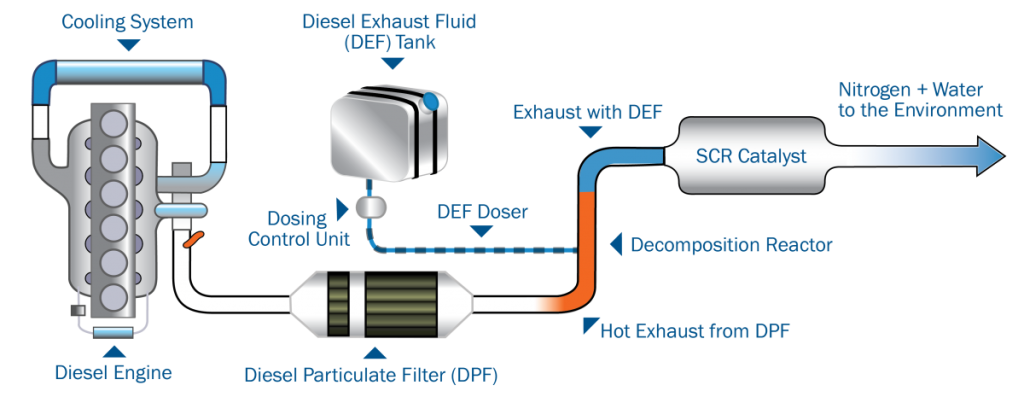
DEF system flow diagram showing how diesel exhaust fluid moves from the tank through the pump and injector into the SCR catalyst for proper emissions system maintenance

This DPF and DEF system maintenance guide covers best practices, common mistakes, and how to avoid costly repairs.

Brought to you by Richard Kemner | RDK Truck Sales

THE 5 MOST COSTLY MISTAKES
1. Putting diesel fuel in the DEF tank → $8,000 – $15,000 system replacement
2. Using non-dedicated funnels or containers → Permanent catalyst poisoning ($3,000 – $5,000)
3. Using old, heat-damaged, or diluted DEF → Injector failure, crystalline deposits ($1,500 – $3,000)
4. Interrupting DPF regeneration cycles → Excessive soot loading, forced regen, potential DPF damage ($2,000 – $8,000)
5. Ignoring warning lights and fault codes → Small problems become complete system failures

Quick Reference: Do’s and Don’ts

DO THISNEVER DO THIS
Use only API-certified DEFPut any other fluid in DEF tank
Use dedicated blue DEF equipment onlyUse funnels/containers that held other fluids
Store DEF in cool location (50-77°F ideal)Store DEF in direct sunlight or above 86°F
Clean filler area before opening DEF capLeave DEF cap off or fill in dusty conditions
Allow DPF regeneration to completeShut off engine during active regeneration
Use CK-4 or FA-4 low-ash engine oilUse high-ash oil (accelerates DPF clogging)
Address warning lights immediatelyIgnore fault codes or “wait and see”

Section 1: How to Fill a DEF Tank Properly

⚠ WHAT GOES WRONG: • Cross-contamination: Using equipment that touched fuel or oil introduces contaminants that poison the SCR catalyst permanently • Dirt and debris: Particles enter through dirty fill areas, clogging the DEF filter and pump • Misfueling: Even a small amount of diesel in the DEF tank destroys the entire SCR system

Required: Clean Filling Procedure

  1. Clean the area around the DEF cap with a lint-free cloth before opening
  2. Use only dedicated DEF equipment (blue funnels, containers, nozzles) – never equipment that held other fluids
  3. Verify DEF is API-certified and check the date – don’t use expired product
  4. Fill slowly to prevent splashing – do not overfill
  5. Replace cap immediately after filling – never leave it open
  6. Clean up any spills with water immediately (DEF crystallizes on surfaces)

Equipment Requirements

  • Containers: Stainless steel or HDPE plastic only – dedicated to DEF
  • Funnels: Blue color-coded, never used for anything else
  • Storage: Keep filling equipment covered and clean between uses
  • Incompatible materials: Copper, brass, zinc, galvanized metal, aluminum, carbon steel – contact with these contaminates DEF

Section 2: How to Store DEF Properly for to Reduce Degradation

⚠ WHAT GOES WRONG: • Heat degradation: DEF stored above 86°F breaks down, forms crystalline deposits in the injector and catalyst • Wrong concentration: DIY mixing or water dilution causes improper NOx conversion, triggering fault codes and derating • Metal contamination: Trace metals from improper containers permanently poison the catalyst – cannot be reversed

DEF Specification Requirements

Only use DEF that is API-certified and meets ISO 22241 standards:

ParameterRequirement
Urea Concentration32.5% ± 0.7% (CRITICAL)
Water QualityDeionized/demineralized only
Metals (Ca, Fe, Cu, Zn)< 0.5 ppm total
Phosphates< 0.5 ppm (trace amounts kill catalyst)

Storage Temperature Impact

TemperatureShelf LifeAction
50-77°F (10-25°C)24+ monthsIDEAL
77-86°F (25-30°C)~12 monthsAcceptable
86-95°F (30-35°C)~6 monthsUse quickly
Above 95°F (35°C)Rapid breakdownDO NOT USE

Storage Best Practices

  • Store indoors in a cool, dry, well-ventilated area away from direct sunlight
  • Keep containers sealed – ammonia evaporates from exposed DEF
  • Practice FIFO (First In, First Out) – mark containers with purchase dates
  • Never mix DEF from different suppliers or batches

Section 3: Proper DPF Maintenance Required

⚠ WHAT GOES WRONG: • Interrupted regeneration: Shutting off the engine during active regen prevents soot burnoff, leading to excessive loading and forced parked regen • Excessive idling: Low exhaust temps produce soot but can’t burn it off – rapid DPF loading • Wrong engine oil: High-ash oils leave incombustible deposits that regeneration cannot remove • Ignored warning lights: Continued operation with high soot loading can cause thermal damage to the DPF substrate

Understanding Regeneration

The DPF collects soot and must periodically burn it off. There are three types of regeneration:

TypeWhen It HappensWhat To Do
PassiveAutomatically during highway driving (high exhaust temps)No action needed – happens naturally
ActiveECM injects extra fuel when passive isn’t enough (light may illuminate)Keep driving until complete – don’t shut off
Parked/ForcedRequired when DPF is severely loadedMust perform immediately to prevent damage

Operational Best Practices

  1. Allow regeneration to complete: When the DPF indicator shows active regen, maintain steady driving (if safe) until it finishes
  2. Schedule highway time: Vehicles with mostly short-trip, stop-and-go operation need periodic highway driving for passive regen
  3. Minimize idle time: Excessive idling produces soot without the heat to burn it off – use APU when stationary
  4. Use correct engine oil: CK-4 or FA-4 rated low-ash oils ONLY – high-ash oils clog the DPF with incombustible ash Read this article for more information.
  5. Fix engine problems promptly: Oil leaks, bad injectors, turbo issues dump extra soot or oil into the DPF
  6. Use ULSD fuel only: High-sulfur fuel damages the DPF and DOC catalyst

Warning Signs of DPF Problems

  • DPF warning light or check engine light illuminated
  • Reduced engine power or limp mode
  • Frequent regeneration attempts
  • Increased fuel consumption
  • If any of these occur – address immediately to prevent costly damage

Service Intervals

ServiceInterval
Back pressure monitoringEvery PM / continuous
DPF inspectionAnnually or every 100,000 miles
Professional ash cleaning150,000 – 300,000 miles (varies by duty cycle)

Section 4: How Small Problems Become Big Repairs

Poor DEF quality and improper DPF maintenance create a cascade of failures. Understanding this chain helps explain why prevention is so important.

Initial ProblemWhat Fails NextFinal Cost
Contaminated DEFDEF pump → Injector → SCR catalyst → NOx sensors$3,000 – $8,000
Fuel in DEF tankDestroys entire SCR system simultaneously$8,000 – $15,000+
Heat-degraded DEFCrystalline deposits → Injector clog → Poor dosing → Catalyst deposits$1,500 – $5,000
Ignored regen cyclesExcessive soot → Forced regen → Thermal damage to DPF$2,000 – $8,000
Wrong engine oilAsh buildup → Reduced DPF capacity → Premature cleaning/replacement$500 – $3,000

The Bottom Line

PREVENTION COST Quality DEF: ~$3/gallon Dedicated equipment: ~$50 one-time Proper storage: Minimal Training: Time onlyFAILURE COST DEF injector: $800 – $1,500 DEF pump: $1,000 – $2,000 SCR catalyst: $2,000 – $5,000 DPF replacement: $3,000 – $8,000 + Downtime

Section 5: Maintenance Checklists

Daily (Driver Responsibility)

  • Check DEF level – top off using clean filling procedures
  • Monitor dashboard for DPF or DEF warning lights
  • Allow regeneration cycles to complete – don’t shut off during active regen
  • Report any unusual exhaust smoke or odors

Weekly (Shop/Fleet Manager)

  • Verify DEF inventory is properly stored (cool, sealed, in date)
  • Inspect DEF filling equipment for cleanliness
  • Review any logged fault codes across fleet

Each PM Service

  • Check exhaust back pressure readings
  • Inspect DEF tank cap and seal condition
  • Inspect DEF lines and connections for crystalline deposits
  • Check for DEF leaks
  • Review and document any stored fault codes
  • Verify correct engine oil is being used (CK-4/FA-4)

Annual

  • Professional DPF inspection – evaluate cleaning need
  • DEF system component inspection
  • NOx sensor testing
  • Audit DEF storage and handling procedures
  • Driver/technician refresher training on proper procedures
REMEMBER: THE 3 KEYS TO SYSTEM LONGEVITY
1. QUALITY DEF – API certified, properly stored, never contaminated 2. CLEAN FILLING – Dedicated equipment, clean procedures, every time 3. COMPLETE REGENERATION – Let the DPF do its job, don’t interrupt

Additional Resources

For more information on DEF and DPF system requirements, refer to these official sources: Thank you for reading our DPF and DEF System Maintenance Guide.

This DPF and DEF System Maintenance Guide is provided for educational purposes. Always consult your vehicle manufacturer’s specific recommendations.

Questions? Contact RDK Truck Sales – Your Trusted Partner in Refuse Equipment Since 1997

Tampa, Florida | www.rdk.com

2025 Recession Indicators

Reading the Economic Tea Leaves

2025 recession indicators illustrated with financial charts and people climbing upward together

Seven 2025 recession indicators are telling the same story. The question isn’t whether we’re in trouble. It’s what we do about it.

Richard Kemner

Founder and CEO, RDK Truck Sales

December 2025

After 42 years in the refuse equipment industry, starting in 1983 when I rode garbage routes at 5 AM to earn meetings with decision makers, I’ve learned to pay attention to economic indicators that don’t make headlines. The data points I’m watching right now tell a consistent story.

None of this is meant to be doom and gloom. It’s meant to be real. And real is what helps us make smart decisions.

So let me tell you what I’m seeing. These are the 2025 recession indicators that paint a very real picture.

• • •

THE FREIGHT RECESSION

If you want to know where the economy is headed, follow the trucks. National freight tonnage is down roughly 7% year over year. More concerning is the duration: we’re now in the longest freight recession in modern history, stretching back to April 2022. Over three years of declining volumes.

Q4 2024 shipments fell 4.7%, marking the tenth consecutive quarterly decline (source). Spot market loads are down approximately 30% compared to last year (source). Carrier bankruptcies have increased by 30% (source), with over 17,500 trucking companies losing their operating authority.

Driver profits have collapsed from roughly $1 per mile to just 3 cents.

When trucks aren’t moving, goods aren’t flowing. When goods aren’t flowing, the economy is contracting.

“Over 70% of all goods in America move by truck. This is the circulatory system of the economy, and it’s showing reduced blood flow.”

This is a clear indicator and is one of the major 2025 recession indicators.

THE CLASS 8 COLLAPSE

This one hits close to home. September 2025 Class 8 retail sales fell 25.6% to just 16,228 units. Class 8 truck orders hit a 16-year low in June 2025. That’s the weakest order activity since 2009.

New truck inventories are approaching all-time highs. Combined net orders for September and October are 32% below year ago levels. Publicly traded fleets ended Q1 2025 with the weakest net income margins since 2010.

OCTOBER 2025 SALES BY MANUFACTURER (source)

  • Freightliner: 4,738 units, down 39.7% from October 2024
  • Volvo: YTD lags 24.1% behind 2024 pace
  • International: Down 33% from October 2024
  • Peterbilt: Down 27.9% from October 2024
  • Kenworth: Down 25.8% from October 2024
  • Mack: YTD sales up 12.2% (the only bright spot)

Used truck prices fell 3.5% month over month in October and are now down 8% year over year. Tariffs are adding approximately $9,000 to $10,000 per Class 8 unit.

When companies stop buying $150,000 trucks, they’re telling you they don’t see growth ahead.

THE BELLWETHERS ARE CUTTING

When the two largest employers in the country start trimming, it means something.

Amazon is cutting approximately 14,000 corporate positions (source). Link Walmart eliminated 1,500 jobs and froze headcount at 2.1 million employees (source). These aren’t struggling companies. They’re the most sophisticated demand forecasters on the planet.

They’re seeing something.

The first 10 months of 2025 saw 1.1 million announced layoffs, 44% higher than the same period in 2024 and the highest level since 2020. Both companies are accelerating automation: over 50% of e-commerce operations and more than 60% of stores are getting automated freight systems.

The jobs being eliminated aren’t coming back. This is structural change, not cyclical adjustment.

THE GARBAGE INDEX

This is my world, and it never lies.

“As Deutsche Bank’s chief international economist Torsten Slok noted in a 2016 CNBC interview, garbage volumes track consumption with remarkable precision.” (Source)

Municipalities across the country are reporting declining waste tonnages. A study in Cedar Rapids found direct correlation between garbage weight and economic activity. Many assumed commercial volumes would rebound after the pandemic. They haven’t. Landfills reported overall tonnage declines.

People are simply consuming less because everything costs more.

“People can lie on surveys. Garbage cans can’t.”

THE HOUSING OVERHANG

Unsold completed new single-family homes hit 121,000 in July 2025. The highest level since July 2009, during the last recession. We haven’t seen this much unsold builder inventory in 16 years.

Housing inventory is back to pre-pandemic 2019 levels, with 33% more homes on the market now than a year ago. New home sales in July 2025 were down 8.1% compared to the previous year. That’s eight consecutive quarters of year over year price declines.

Lennar, one of the nation’s largest builders, is offering buyer incentives totaling 13% of sale price. Up from just 1.5% in Q2 2022. On a $400,000 home, that’s $52,000 in givebacks.

That’s not confidence.

THE LABOR SHIFT

For the first time in over 50 years, the United States is experiencing negative net migration (source). More people are leaving than arriving.

Construction wages are up 8-9% as labor shortages intensify (source). In agriculture, hospitality, and construction, costs are rising and output is falling. Fewer workers mean fewer consumers, fewer renters, fewer car buyers, and less economic activity overall.

It’s a headwind that won’t be resolved quickly.

THE HEALTHCARE SQUEEZE

ACA marketplace premiums are up 26% for 2026. (source) Employer sponsored coverage costs rose 6 to 7% this year. GLP 1 drugs like Ozempic and Wegovy are driving quarterly pharmacy cost increases of 25 to 30%.

For small and mid-sized businesses, healthcare is becoming an existential cost. Every dollar that goes to premiums is a dollar not available for wages, equipment, or expansion.

• • •

RECESSION OR CORRECTION?

So here’s the question everyone’s asking: Is this a recession, or are we watching a long overdue price correction after years of overspending?

I think it’s both. And something more. Here is my thoughts and my 2025 recession indicators.

What we’re experiencing is the hangover from years of unprecedented government spending, near zero interest rates, and stimulus checks that flooded the economy with money that had to go somewhere. It went into inflated asset prices, speculative investments, and consumption patterns that were never sustainable.

Now the bill is coming due.

But it’s not just the money. It’s the uncertainty.

The average American is watching Republicans and Democrats fight like it’s a blood sport while nothing gets solved. Healthcare costs keep climbing. The border remains a mess. Regulations change with every administration. Trade policy swings from tariffs to free trade and back again.

Nobody knows what the rules will be next year, let alone five years from now.

And then there’s the world stage. Russia and Ukraine. China and Taiwan. The Middle East in flames. Foreign governments jockeying for position while the global order that American businesses counted on for decades looks increasingly fragile.

Supply chains that once seemed reliable now feel like a gamble.

“Whether you call it a recession or a correction almost doesn’t matter. What matters is the psychology. And right now, the psychology is defensive.”

Put it all together and what do you get? An American consumer and business owner who’s uneasy. Not panicked, but cautious. Holding back on the big purchase. Delaying the expansion. Keeping cash on hand instead of investing.

That unease shows up in every indicator I’ve outlined above. Freight doesn’t move when people aren’t buying. Trucks don’t sell when fleets aren’t confident. Houses sit unsold when families aren’t sure about tomorrow.

Garbage gets lighter when consumption pulls back.

THE OPPORTUNITY

Here’s what 42 years has taught me: the companies that thrive aren’t the ones who wait for conditions to improve. They’re the ones who see opportunity where others see only risk.

This market is going to expose weakness. Competitors who got comfortable during the good years, who let their service slip, who stopped investing in relationships. They’re going to make mistakes. They’re going to disappoint customers who have fewer dollars and higher expectations than ever before.

When that happens, step in. Show what you can do. Surprise the market with your ability to adapt, to plan ahead, to deliver when others can’t or won’t.

Get closer to your customers, not pull back. Share what you’re seeing. Be the partner who brings information and insight, not just invoices. When you help your customers plan for what’s coming, you become essential to their operation.

The companies that plan together execute together. Help your customers understand their options. Show them the data. When they see you thinking about their business as seriously as they do, trust deepens. And trust is the only currency that holds its value in uncertain times.

This market will change. It always does. But not everyone will be there to see it. Some competitors will have retreated. Some will have made the wrong bets. Some will have burned relationships they can’t rebuild.

Those left standing will thrive.

This isn’t the time for fear. It’s the time for focus, for discipline, for proving what you’re made of. The opportunity is there for anyone willing to see it and act on it.

These 2025 recession indicators aren’t a crystal ball—they’re data points to inform your decision-making, not dictate it. Your business has its own variables, and the right path forward depends on your specific situation. For a deeper look at one of the most consequential equipment decisions you’ll face in this environment, read our guide on leasing vs. purchasing.

EPA 2027 Emission Standards: What Waste Haulers Need to Know Right Now

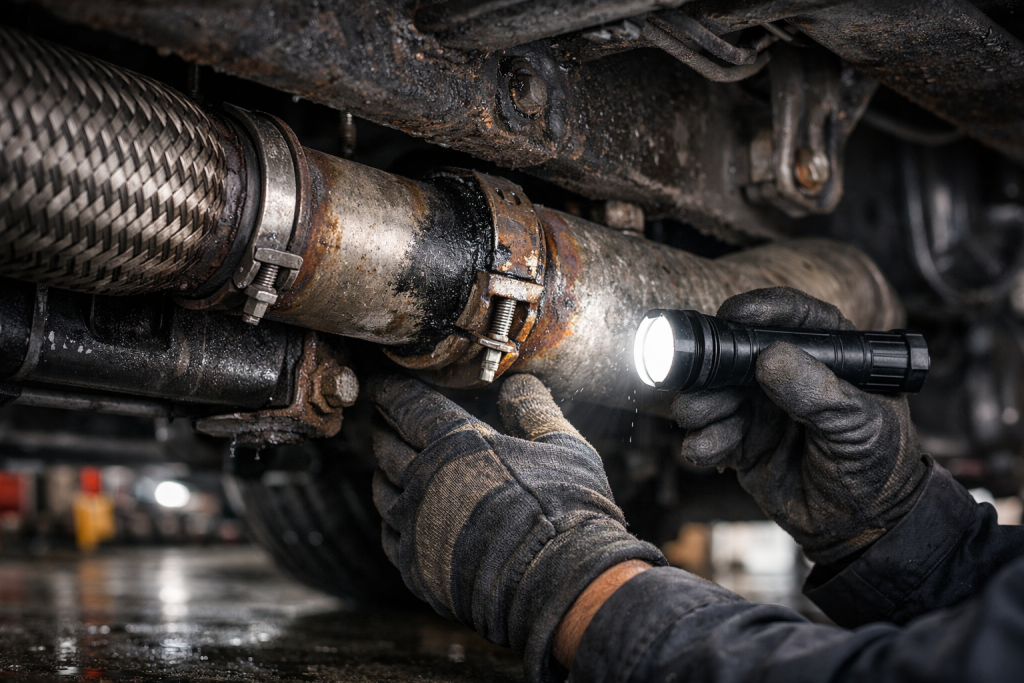
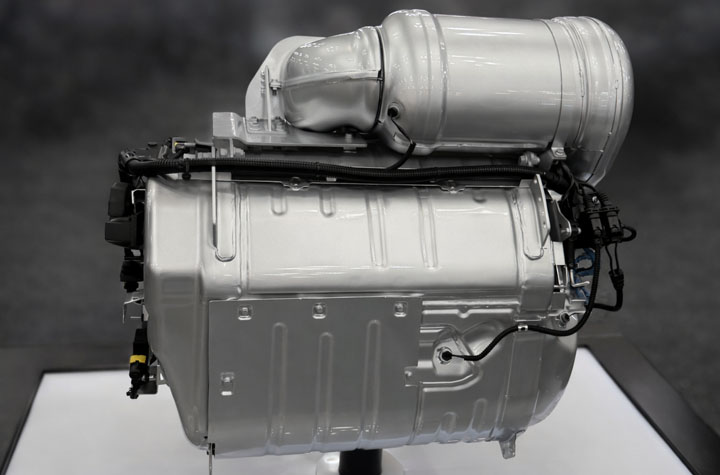
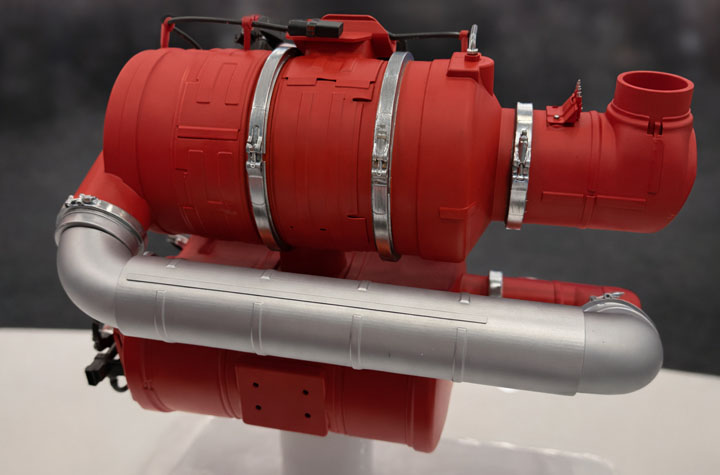
EPA 2027 emission standards diesel truck exhaust aftertreatment system

The refuse industry is facing unprecedented regulatory uncertainty heading into 2027.

Here’s the straight story on where things stand and what it means for your fleet purchasing decisions. Planning for the EPA 2027 emissions standards needs to start now.

The Current Situation:

EPA 2027 emission standards – still the law – but it’s under attack. The Biden-era regulations requiring an 82.5% reduction in NOx emissions for model year 2027 trucks remain on the books. However, in March 2025, EPA Administrator Lee Zeldin announced the agency would “reconsider” these standards as part of what he called “the greatest day of deregulation in American history.”

In July 2025, the EPA formally proposed rescinding the 2009 Endangerment Finding—the legal foundation that allows the federal government to regulate greenhouse gas emissions from vehicles. If finalized, this would effectively invalidate all federal vehicle GHG standards.

In June 2025, President Trump signed resolutions revoking California’s Clean Air Act waivers, nullifying CARB’s Advanced Clean Trucks and Low-NOx Omnibus rules in the 14 states that had adopted them.

What EPA 2027 Emission Standards Would Require for Refuse Trucks

  • NOx drops to 0.035 g/hp-hr, down from 0.2 g/hp-hr today (82.5% reduction)
  • Useful life extends to 650,000 miles – up from 100,000 miles
  • Aftertreatment warranties extend to 450,000 miles – up from 100,000 miles
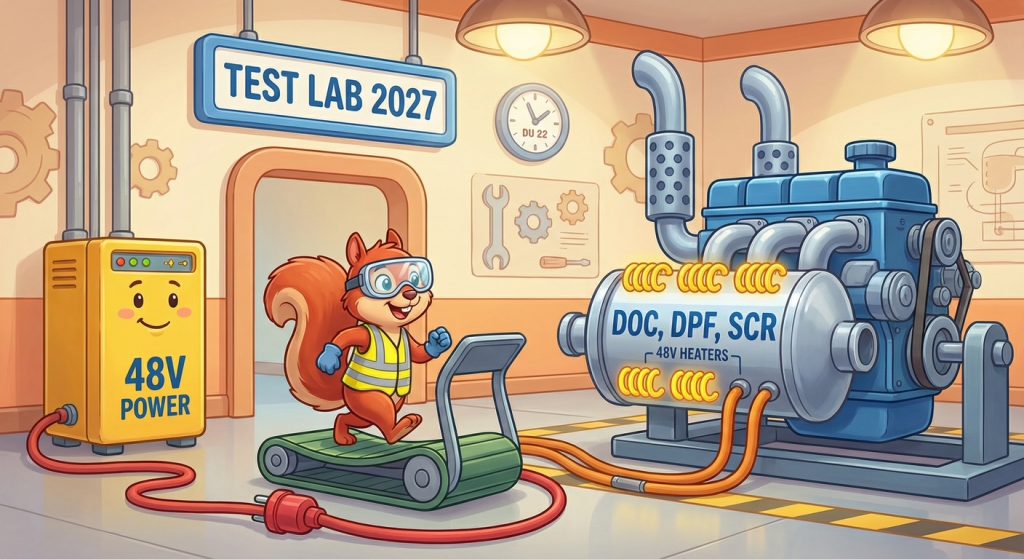
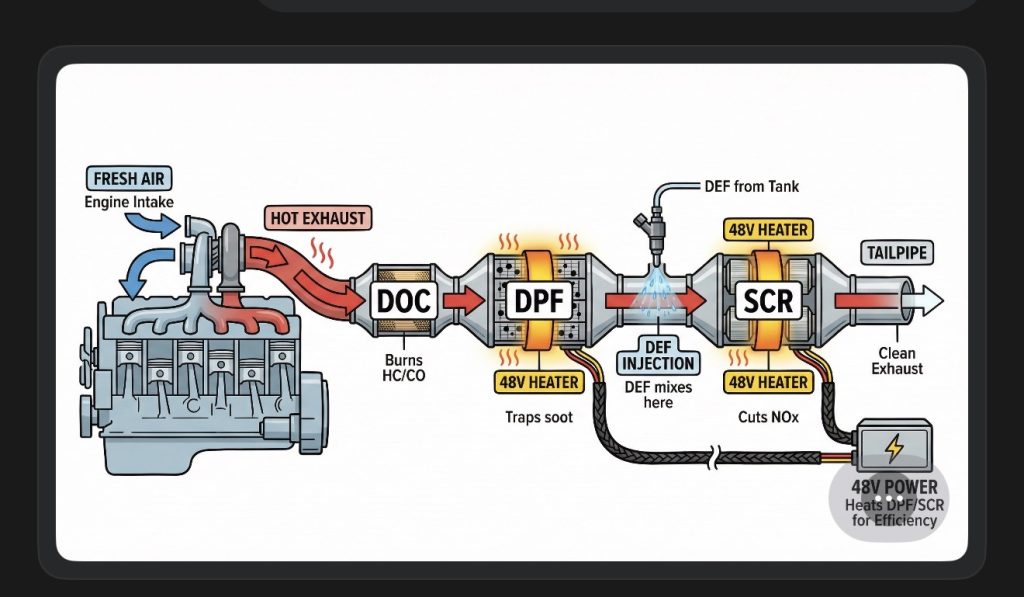
  • New technology required: cylinder deactivation, dual aftertreatment systems, heated DEF dosers, and likely 24-volt electrical systems.
  • Projected cost increase: $20,000 to $30,000 per truck

The Problem: Nobody Knows What’s Coming

The Trump administration has made its intentions clear, but the regulatory process takes time. Repealing or modifying these rules require formal rulemaking, public comment periods, and scientific justification. Legal challenges are already mounting California and other states have filed lawsuits arguing the CRA resolutions are improper.

Industry experts warn that by late 2025, it’s “getting too late” to eliminate or overhaul the 2027 rules without causing chaos. OEMs typically need four years of lead time for major regulatory changes, and model year 2027 production begins in less than 18 months and at this point the EPA 2027 Emission Standards are still not set.

The result: The expected 2025-2026 pre-buy never happened. Fleets are stuck in “wait and see” mode, uncertain whether to buy now or hold off. Cummins reported a 29% drop in North American heavy-duty engine sales in Q2 2025 directly due to this uncertainty.

What the Truck Manufacturers Are Doing about the EPA 2027 Emission Standards

Here’s what’s critical to understand: OEMs are moving forward with 2027-compliant engines regardless of what happens in Washington.

  • Daimler (Freightliner, Western Star): “All previously communicated plans remain unchanged.” They’ll offer EPA-compliant DD13, DD15, and DD16 engines for 2027.
  • PACCAR (Kenworth, Peterbilt): “Our product plans will not change unless regulation law changed… we plan for multiple outcomes and are prepared to comply with every regulatory scenario.”
  • Volvo/Mack: Confirmed both brands will “comply with the requirements of the regulatory landscape.”
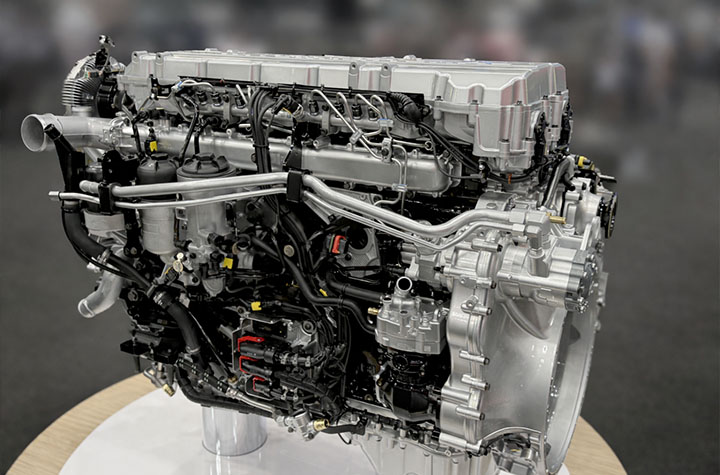
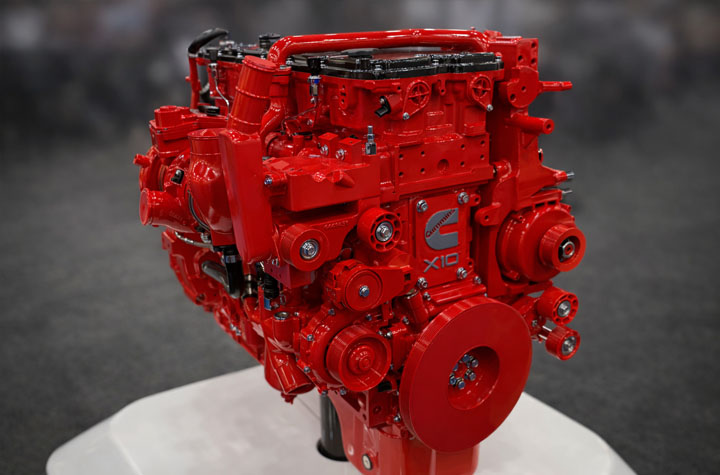
  • Cummins: Already unveiled the next-generation X15 diesel designed for both EPA and California 2027 standards, with a 48-volt electrical system.

Several OEMs told industry publications anonymously that 2027-compliant engines will be brought to market “with or without federal mandates.” They’ve already invested billions—that investment isn’t going away.
The key relief OEMs are seeking: Rolling back the extended warranty requirements. The technology will likely stay; the 450,000-mile aftertreatment warranty might not. If that happens, the price premium could drop from $25,000+ to around $8,000-$10,000 per truck.

What This Means for Your Refuse Fleet

The Pricing Question

If EPA 2027 proceeds as written: expect $20,000-$30,000 premiums on new refuse trucks. If warranties are relaxed but technology requirements remain: expect $8,000-$10,000 premiums. If the rules are significantly rolled back: pricing may stay closer to current levels, but this outcome is increasingly unlikely given OEM investments already made.

The Timing Question

OEMs are beginning MY 2026 production now. That gives fleets roughly one year to plan before 2027 trucks arrive. As Penske’s VP of procurement warned at the FTR Transportation Conference: “If you’re not prepared when a decision is finally made, boy, you could be in a tough spot.”

The Technology Reality

Regardless of regulations, the new diesel technology offers benefits. The advanced aftertreatment systems run cleaner in stop-and-go refuse operations. Cylinder deactivation improves fuel economy. The question isn’t whether the technology works—it’s who pays for the extended warranties.

What You Should Do Now

  • Budget for both scenarios. Plan for $20,000+ premiums but hope for less. Flexibility beats precision right now.
  • Don’t wait for perfect information. If equipment is due for replacement, make decisions based on operational needs, not regulatory speculation.
  • Talk to your dealer. Production timelines and pricing will become clearer in the first half of 2026. Stay close to your OEM contacts.
  • Consider CNG/RNG. Natural gas engines already meet 75% lower NOx than current diesel standards. For refuse operations with predictable routes, this may be worth evaluating regardless of how diesel regulations shake out.
  • Watch the calendar. If EPA hasn’t formally modified the 2027 rules by mid-2026, expect OEMs to proceed with fully compliant vehicles as planned.

The Bottom Line
The technology is coming whether Washington wants it or not—OEMs have made that clear. The real questions are: How much will it cost? And who bears the warranty risk?

For waste haulers, the smart play is preparation over speculation. Know your replacement cycles, budget conservatively, and stay engaged with your equipment partners.

At RDK Truck Sales, we’re tracking these developments daily and we’re here to help you navigate the options. Give us a call, let’s talk about what makes sense for your operation.

How can we help you navigate the EPA 2027 Emission Standards?

The Rise of Battle Motors

Row of Battle Motors refuse and vocational trucks lined up outside in Tampa FL Next to RDK Truck Sales

A Legacy Reborn: The Battle Motors Story

In the evolving landscape of commercial vehicle manufacturing, few transformations have been as dramatic as the rebirth of Crane Carrier Company into Battle Motors. This remarkable journey, initiated in 2021, represents not just a corporate acquisition but a complete reimagining of what a 75-year-old truck manufacturer could become.

The Foundation: Crane Carrier’s Distinguished History

Before Battle Motors entered the picture, Crane Carrier Company had already established itself as an American industrial icon. Founded by Robert Zeligson in 1946 in New Philadelphia, Ohio, the company began with a simple yet innovative mission: converting surplus World War II military vehicles for civilian use in the construction and petroleum industries.

The company’s name wasn’t arbitrary; it reflected their core competency. Crane Carrier specialized in Cab-Beside-Engine (CBE) or half-cab designs, which allowed trucks to carry crane booms more efficiently. By 1953, CCC had presented their first proprietary truck design, quickly evolving from a military surplus modifier to a full-fledged manufacturer of specialized commercial vehicles.

For seven and a half decades, Crane Carrier built its reputation on producing severe-service chassis and purpose-built vehicles for some of America’s toughest industries: refuse and recycling, infrastructure maintenance, ground support, multi-stop distribution, agriculture, and oil and gas markets. Their trucks weren’t just vehicles; they were workhorses designed to excel in the most demanding conditions.

Collection of engraved baseball bats displayed on wall representing Michael Patterson's entrepreneurial ventures and companies
Collection of engraved baseball bats displayed on wall representing Michael Patterson’s entrepreneurial ventures and companies

The Entrepreneurial Vision: Michael Patterson’s Journey

The transformation of Crane Carrier began with Michael Patterson, a serial entrepreneur with an inscribed baseball bat for every company he’s founded, symbolizing his goal of “hitting it out of the park” with each venture. Patterson’s path to Battle Motors wasn’t straightforward but rather the culmination of decades of technological and entrepreneurial experience with these companies that led Patterson to see the potential in refuse and vocational vehicles. Patterson pivoted, choosing to acquire an established manufacturer rather than starting from scratch.

The Strategic Acquisition: Battle Motors Takes the Wheel

In April 2021, Battle Motors officially acquired Crane Carrier Company, marking the beginning of an ambitious transformation.

The acquisition was strategic on multiple levels. Rather than building a new refuse and vocational vehicle company from the ground up, Battle Motors gained:

  • A 125,000-square-foot manufacturing facility in New Philadelphia, Ohio
  • 75 years of manufacturing expertise and institutional knowledge
  • An established network of 180 sales and service dealers across North America
  • A loyal customer base of over 750 municipalities
  • Proven diesel and CNG truck platforms

Rapid Expansion and Capital Investment

The transformation of Crane Carrier under Battle Motors has been nothing short of remarkable. The company immediately embarked on an aggressive expansion plan.

Production Transformation

The numbers tell a compelling story of growth:

  • 2021: 300 trucks produced (under 1 truck per day)
  • 2022: Approximately 1,000 trucks (3-4 trucks per day)
  • 2023: Production capacity increased to 6 trucks per day
  • Future Goal: 16 trucks per day production capacity

This represents a 650% increase in revenue compared to pre-acquisition levels. As Patterson noted, “Right now we do just about what Crane Carrier was doing every year, we do that about every month.”

Strategic Advantages in a Competitive Market

Patterson identified a unique competitive advantage for Battle Motors in the vocational truck space. While larger manufacturers like Mack, Volvo, Kenworth, Freightliner and Peterbilt focus primarily on over-the-highway trucks, Battle Motors can dedicate its full attention and resources to the specialized needs of vocational applications.

“My advantage is that other OEM manufacturers are primarily on-highway trucks. That’s where their bread and butter is,” Patterson explained. “They’ve got to take all the parts they would use for refuse and take them to their big trucks where they compete fiercely.”

Beyond competitive positioning, Battle Motors takes pride in being a truly American manufacturing company. The company demonstrates its commitment to domestic production by sourcing most of its parts and components from American suppliers. This dedication to American manufacturing not only strengthens local supply chains but also ensures quality control, reduces lead times and supports the broader U.S. manufacturing ecosystem. By keeping production and sourcing primarily within the United States, Battle Motors reinforces its position as a company invested in American workers, American innovation, and the revitalization of domestic industrial capacity.

Community Impact and Economic Development

The transformation of Battle Motors has had profound effects on New Philadelphia and the surrounding region. The company has:

  • Nearly tripled employment, creating over 400 jobs
  • Invested $32 million in facility improvements
  • Attracted high-tech manufacturing jobs to Central Ohio
  • Preserved and enhanced a 75-year manufacturing legacy

New Philadelphia Mayor Joel Day praised the company’s impact: “Battle Motors is nearly tripling the size of the production facility in New Philadelphia from 125,000 sq feet to 350,000 sq feet to increase production.”

Looking to the Future

Battle Motors’ vision extends far beyond its current achievements. The company owns additional acreage adjacent to its Ohio facility and plans to:

  • Double the facility size again
  • Expand into additional vehicle segments
  • Develop new technologies for the vocational truck market
  • Build out R&D and prototype fabrication spaces

Conclusion: A Model for Industrial Transformation

The Battle Motors story represents more than just a successful acquisition; it’s a blueprint for how traditional American manufacturing can be revitalized through strategic vision and technological innovation. By combining Crane Carrier’s 75-year legacy of building tough, reliable refuse and vocational trucks, Battle Motors has positioned itself at the forefront of the commercial and refuse vehicle industries.

Battle Motors stands as proof that even the most established industrial companies can reinvent themselves for a new era. The company’s rapid growth, expanding workforce, and innovative products demonstrate that with the right leadership and vision, American manufacturing can not only survive but thrive in the 21st century.

The transformation from Crane Carrier Company to Battle Motors isn’t just about changing a name, it’s about reimagining what’s possible when entrepreneurial energy meets industrial heritage. As Patterson and his team continue to “hit it out of the park,” Battle Motors is writing the next chapter in American commercial vehicle manufacturing, one truck at a time.

Refuse Trucks, Lease vs Purchase: Which Is Better for Your Fleet?

Money and financial paperwork symbolizing the budgeting and cost considerations in refuse truck lease versus purchase decisions
Lease vs purchase analysis

1. A Strategic Comparison for Modern Fleet Management Concerning Refuse Trucks

Executive Summary: When acquiring refuse trucks and recycling trucks with specialized bodies, fleets face a critical decision between leasing and ownership. Overcome budget constraints with predictable, fixed annual costs.

Key Challenge: The complexity of modern refuse vehicles—with sophisticated hydraulics, electrical systems, emission controls, and computer-managed components—makes this decision particularly significant.
This presentation examines both options to help you make an informed decision for your fleet.

2. The Complexity of Modern Refuse Vehicles
Today’s refuse trucks and recycling trucks represent some of the most technologically advanced commercial vehicles on the road.

Chassis Systems:
• Advanced emission controls
• Computer-managed engines
• Sophisticated diagnostics
• Complex electrical systems

Body Systems:
• Hydraulic controls
• Integrated electronics
• Computerized monitoring
• Specialized sensors

Result: Vehicles requiring computer-trained technicians and specialized diagnostic equipment.

3. Ownership Challenges

The Two-Warranty Problem: Traditional ownership involves navigating a fragmented warranty structure that creates significant operational challenges.

Chassis Warranty: OEM Dealer First year only

Body Warranty: Body Manufacturer Separate dealer

The Problem: Chassis dealers blame body issues. Body dealers point to chassis problems. You’re caught in the middle with accusations of improper maintenance becoming the convenient explanation when neither party wants responsibility.

4. Technical Expertise & Maintenance Burden
Technical Expertise Requirement, Fleet operations must either:

Develop Internal Expertise:
• Hire specialized technicians
• Invest in diagnostic equipment
• Continuous training costs

Rely on External Providers:
• Multiple service relationships
• Limited accountability
• Coordination challenges

Maintenance Burden: Owners bear full responsibility for understanding and executing complex maintenance protocols. Even minor deviations from manufacturer specifications can void warranties and expose the fleet to major repair costs.

5. Three-Year Ownership Timeline
YEAR 1 – The Honeymoon Period, Manufacturer warranties provide some protection

However:
• Navigating the two-warranty system creates friction
• Chassis and body dealers point fingers at each other
• Your trucks sit idle during warranty disputes
• Downtime impacts service delivery and revenue

Even in the best year of ownership, warranty fragmentation creates operational challenges and unexpected downtime.

YEAR 2- Reality Sets In, Warranty coverage expires or becomes severely limited

The fleet now bears increasing costs:
• Expensive emission system components begin to fail
• Sensors and computer modules require replacement
• Each failure requires specialized diagnostic expertise
• Repair bills hit your budget unexpectedly

Unpredictable repair expenses begin to impact financial planning.

YEAR 3, Maintenance and repair costs accelerate significantly with refuse trucks

Critical Decisions Required: Invest in major repairs on vehicles approaching replacement age, or accept reduced reliability?

Residual Value Concerns: Technology becomes outdated, wear accumulates, resale value drops

The Difficult Choice: Continue pouring money into aging equipment OR navigate the challenges of disposing used refuse vehicles with uncertain maintenance history

Maximum cost uncertainty at the worst possible time.

6. Beyond Year Three – The Ongoing Ownership Dilemma

After the three-year mark, fleet managers face increasingly difficult decisions:

Option A: Keep Running
• Escalating maintenance costs
• Increasing reliability concerns
• Growing downtime issues
• Technology obsolescence
• Regulatory compliance risks

Option B: Dispose
• Finding buyers for used equipment
• Uncertain maintenance history impact
• Obsolete technology reduces value
• Time and effort to sell
• Need immediate replacement capital

Neither option is attractive. Both create financial strain and operational headaches.

7. The RDK Lease Solution – A Better Approach

RDK Three-Year Lease Program

A comprehensive solution that addresses every ownership pain point:
• Single Accountability – One party responsible for complete vehicle
• Training and Technical Support – Specialized training for your personnel and on-going technical support
• Fleet Partnership – Support beyond just leased units
• Financial Predictability – Fixed payments and predictable maintenance costs

7-a. Single Accountability

One Responsible Party for Everything – Whether the issue originates in the chassis, body, hydraulics, electrical system, or emissions controls—RDK handles it.
• No warranty blame game, No finger-pointing between chassis and body dealer
• Rapid problem resolution, Focus on getting trucks back in service, not determining fault
• Complete vehicle expertise, One team understands the entire integrated system

This eliminates the warranty blame game entirely.

7-b. Training and Technical Support

Building Your Fleet’s Competence – RDK provides specialized training and technical resources that transform your team’s capabilities.

Training Programs:
• Specialized operator training for complex systems
• Basic maintenance procedures
• Preventive maintenance best practices
• Operator-induced issue prevention

Technical Resources:
• Sophisticated computer components supplied
• Advanced diagnostic sensors provided
• Expert technical support access
• Ongoing knowledge transfer

Knowledge transfer that builds internal capability while preventing costly mistakes.

7-c. Fleet-Wide Partnership

Support Beyond Just Leased Units – RDK’s partnership extends across your entire refuse fleet, not just the vehicles under lease.

Maintenance Support for All Fleet Vehicles – Upon request, RDK provides maintenance guidance and support for your entire fleet, creating consistency in practices and standards across all vehicles.

Preferred Fleet Pricing – Partnership-level pricing at preferred fleet rates applies throughout your relationship—not just on the initial lease but on all future needs.

Flexible Fleet Expansion – Discounted pricing and preference on additional units for short-term needs, seasonal demands, or fleet growth.

A true partnership that grows with your business needs.

7-d. Financial Predictability
Fixed Costs, No Surprises – Lease payments remain fixed throughout the term, making budgeting straightforward and reliable.

Ownership Cost Reality:
• Year 1: Predictable (warranty coverage)
• Year 2: Rising & unpredictable costs
• Year 3: Accelerating expenses
• Beyond Year 3: Maximum uncertainty
• PLUS: Depreciation concerns
• PLUS: Disposal challenges

RDK Lease Cost Reality:
• Year 1: Fixed monthly payment
• Year 2: Fixed monthly payment
• Year 3: Fixed monthly payment
• End of Term: Simple transition to new equipment
• NO surprise repair bills
• NO disposal headaches

8. Technology & Regulatory Advantages

Stay Current, Stay Compliant – The refuse industry faces rapidly evolving technology and tightening regulations. Your fleet strategy must account for both.

Technology Obsolescence Refuse vehicle technology evolves rapidly, particularly in:
• Emission control systems
• Fuel efficiency improvements
• Safety features and monitoring
• Diagnostic capabilities
• Operational efficiency systems

3-year lease cycles ensure you operate current technology

Regulatory Compliance Requirements continue tightening for refuse trucks:
• Emission standards evolving
• Safety regulations expanding
• Environmental compliance
• Municipal contract requirements
• State and federal mandates

Leasing provides flexibility to adapt without being trapped in non-compliant assets Ownership locks capital into depreciating, potentially obsolete assets.

9. Side-by-Side Comparison

Factor

Ownership Reality

RDK Lease Reality

  • Warranty Structure
  • Year 1 Costs
  • Year 2-3 Costs
  • Technical Support
  • Fleet Support
  • Technology
  • End of Term
  • Capital Required
  • Pricing on Additional Units
  • Split between chassis & body dealers finger pointing
  • Warranty provides some coverage, but coordination issues
  • Escalating, unpredictable repair expenses
  • Must develop internally or manage multiple vendors
  • Limited to owned vehicles only
  • Locked into aging technology
  • Disposal challenges, uncertain residual value
  • Significant upfront investment
  • Standard retail pricing
  • Warranty Structure: Single point of accountability
  • Fixed payment, full coverage
  • Same fixed payment, all repairs covered
  • Training provided, components supplied
  • Available for entire fleet
  • New equipment every 3 years
  • Simple transition to new fleet
  • Capital preserved for operations
  • Preferred fleet pricing throughout partnership

10. The Real Question

It’s Not Simply Lease vs. Purchase
The question is whether to shoulder the full complexity and risk of owning sophisticated refuse vehicles…
OR
…partner with an organization that assumes that responsibility while providing expertise, support, and pricing advantages that extend across your entire fleet.

Why RDK? – The Complete Solution

We Eliminate Pain Points:
• Warranty fragmentation
• Technical complexity
• Maintenance burden
• Financial unpredictability
• Technology obsolescence
• Disposal challenges

We Provide Value:
• Single-source accountability
• Complete warranty coverage
• Technical training & support
• Fleet-wide partnership
• Preferred pricing structure
• Operational focus

The RDK Difference: We don’t just lease trucks. We transform vehicle acquisition from a capital-intensive ownership challenge into a managed operational expense with predictable costs and superior support.

12. Next Steps
Ready to Discuss Your Fleet Needs? Let’s explore how RDK’s lease program can work for your operation.
Contact RDK Today – Let’s build a fleet solution that works for you.