
Holiday Fleet Planning 2026
Author
Richard Kemner
Date Published

Thanksgiving · Christmas · New Year’s
Holiday Blog 2026
Holiday fleet readiness from the RDK Truck Sales Team
More work. Fewer hands.
The holidays should not catch your fleet off guard. Preparing now for extra collection demand, changing weather, and employees taking vacation or paid time off can help you keep service dependable without putting unnecessary pressure on your team.
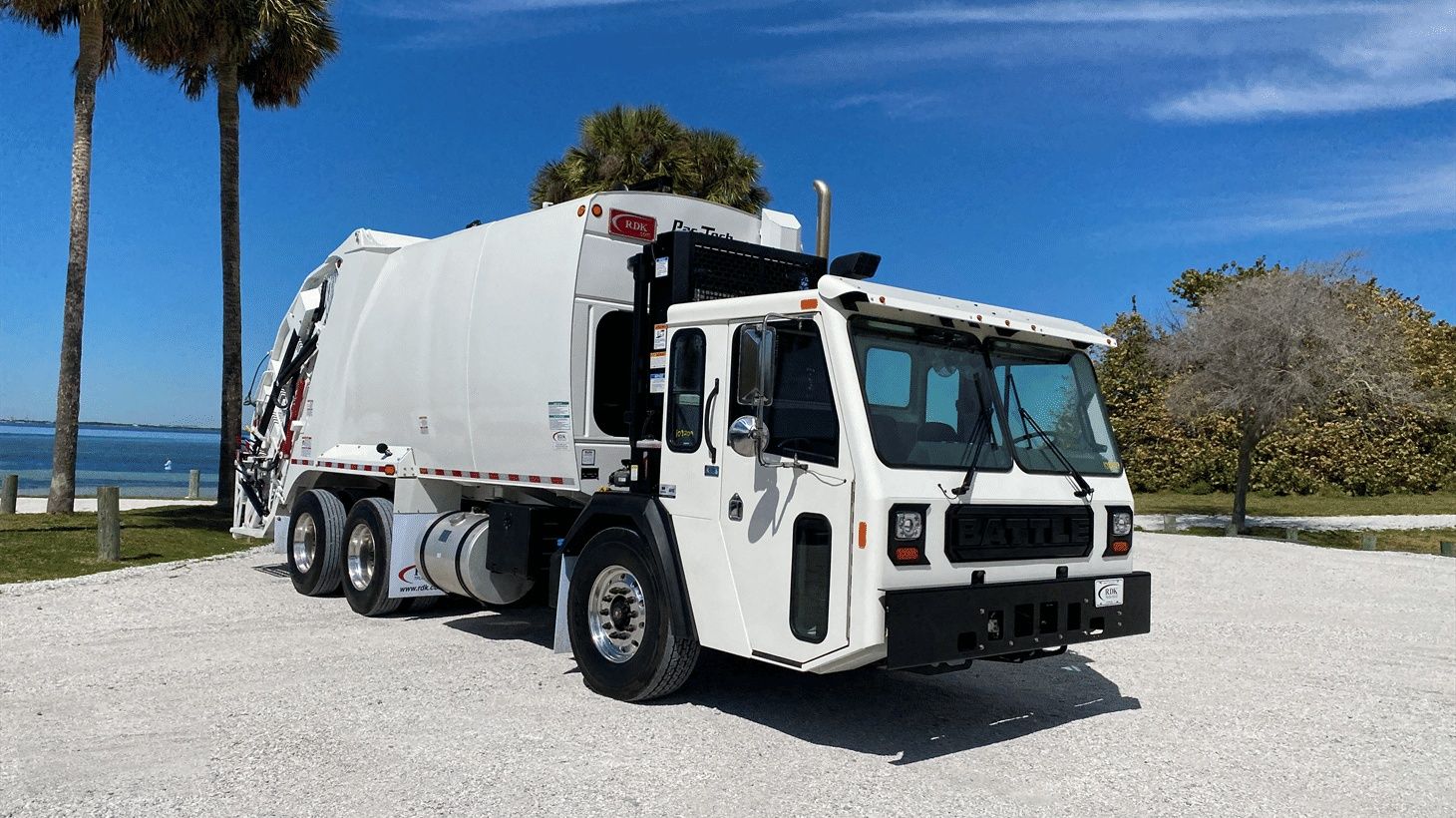
RDK gives you more choice.
Rental trucks available.
Plan ahead for bulkier loads, extra hand loading, and backup fleet needs.
3-month minimum
Discuss rental optionsConfirm equipment availability, start dates, and rental terms with RDK.
Mark your calendar · 2026–2027
Holiday planning schedule
Match your routes, vacation coverage, and backup equipment to the dates ahead.
| Holiday | Day of the week | Date |
|---|---|---|
| Thanksgiving Day | Thursday | November 26, 2026 |
| Christmas Eve | Thursday | December 24, 2026 |
| Christmas Day | Friday | December 25, 2026 |
| New Year’s Eve | Thursday | December 31, 2026 |
| New Year’s Day | Friday | January 1, 2027 |
Planning dates, not a closure notice. Confirm your local collection changes, disposal-site hours, and employee coverage separately; this is not an announcement of RDK holiday hours.
Federal holiday dates: OPM 2026 calendar and OPM 2027 calendar. Christmas Eve and New Year’s Eve are included as additional staffing-planning dates.
Holiday celebrations and gift giving can create extra waste, according to the U.S. Environmental Protection Agency. For fleet managers, the challenge is making sure the right people and equipment are ready to handle it.
You should not have to choose between serving your customers and giving employees time with their families.
Plan for the workload before it arrives

Start with your own route history. Review last season’s disposal trips, overtime, missed pickups, and equipment downtime to identify where you need additional capacity or more flexibility.
Build one operating calendar that includes:
- Collection changes: Identify holiday closures, makeup days, and routes that need to shift.
- Disposal access: Confirm holiday hours at landfills, transfer stations, and recycling facilities.
- Extra collection needs: Plan for packaging, commercial activity, seasonal residents, and special pickups where applicable.
- Recovery time: Leave room for a delayed route or an additional disposal trip instead of assigning every available hour in advance.
If a holiday changes your collection week, map the actual makeup routes and staffing. Do not simply assume the same workload will fit into fewer days.
More trash is only part of the holiday challenge

Plan for a holiday waste mix with more boxes and bulky packaging, not just more of your everyday refuse. Allow for loads that may not pack as densely as your normal route mix, and do not assume your usual stops per load will hold through the busiest weeks.
Compaction depends on the materials collected: cardboard can compact well, while bulky packaging varies in how much it compresses (Action Compaction Equipment). Plan around actual body fill, load weights, and disposal trips rather than relying on a standard compaction ratio.
Extra trash outside carts can also mean more hand loading and longer stops where your collection program accepts overflow. Build that handling time into the route instead of treating every stop as a normal cart-only pickup.
- Plan for trucks filling sooner: Allow for fewer stops per load when bulkier material consumes available space, and leave time for additional disposal trips.
- Allow for extra loading time: Review overflow-prone routes and arrange appropriate crew coverage for permitted hand loading.
- Keep handling safe: Follow your operation’s lifting, traffic, and equipment procedures; do not ask crews to rush, climb into a hopper, or force unsafe items into the truck.
- Set limits before the route: Tell crews when oversized, heavy, hazardous, or noncompliant items must be left, reported, or scheduled separately under local rules.
- Help customers reduce bulk: Ask them to flatten boxes, separate packaging, and follow local recycling and overflow instructions; flattening improves space use (Republic Services cardboard guidance).
Plan the equipment and staffing together, especially when holiday vacations reduce coverage.
Give employees time off without leaving coverage to chance
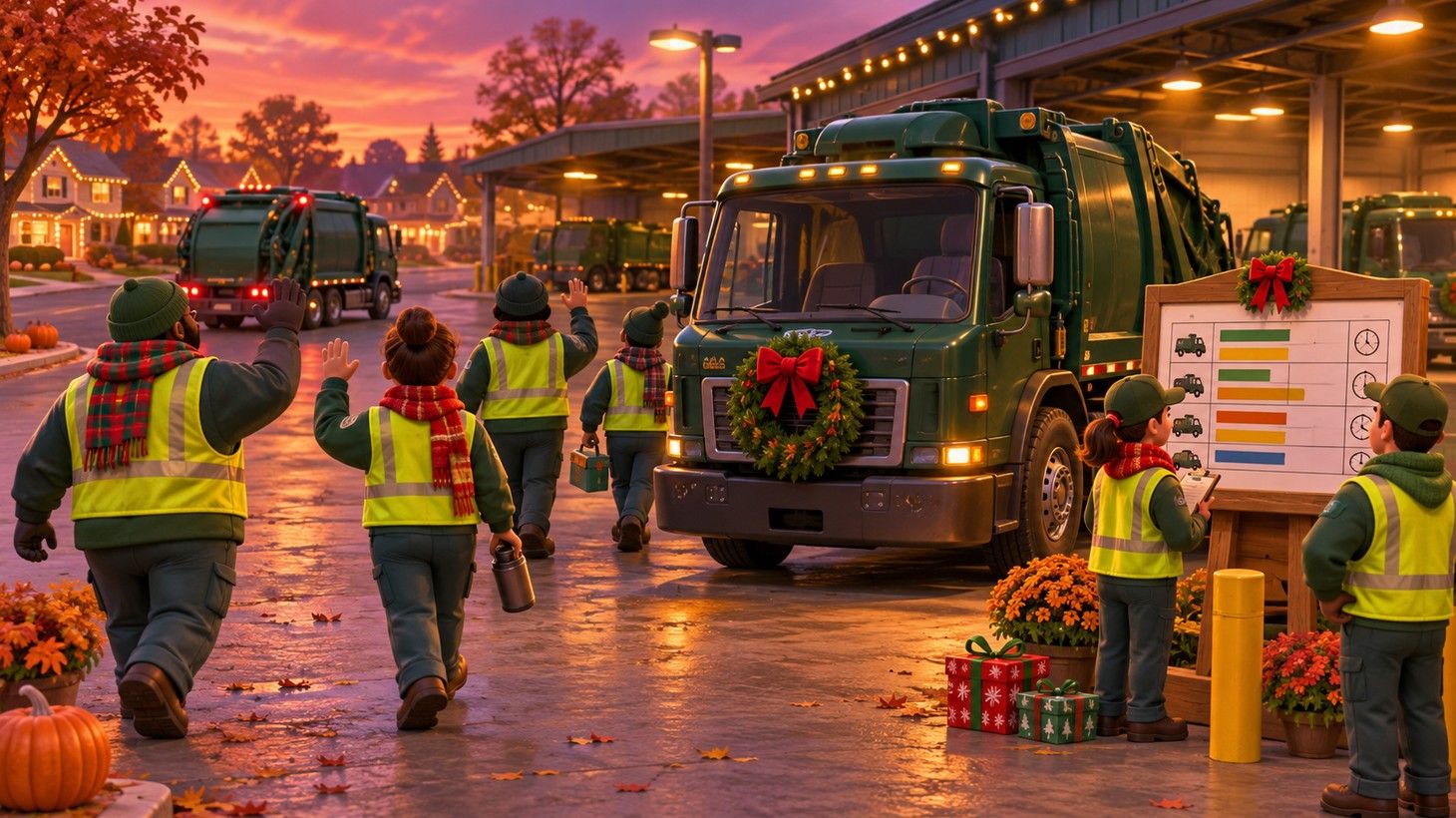
Put approved vacations, holiday schedules, and paid time off on a single coverage calendar. Include drivers, helpers, technicians, dispatchers, parts personnel, and the people authorized to approve repairs or arrange replacement equipment.
Then look beyond headcount. An available employee is not automatically qualified to operate every truck or cover every route.
- Name the backup: Assign primary and backup coverage for critical routes and support positions.
- Prepare relief operators: Arrange training and supervised familiarization before assigning someone to an unfamiliar truck or body.
- Write down route knowledge: Share access restrictions, customer instructions, disposal locations, and escalation contacts.
- Communicate early: Make time-off decisions and coverage expectations clear, consistent with company policies and applicable requirements.
- Protect the remaining crew: Plan breaks and relief coverage rather than making repeated overtime your only fallback.
Ask one practical question before approving the final schedule:
Get the whole truck ready, not just the engine
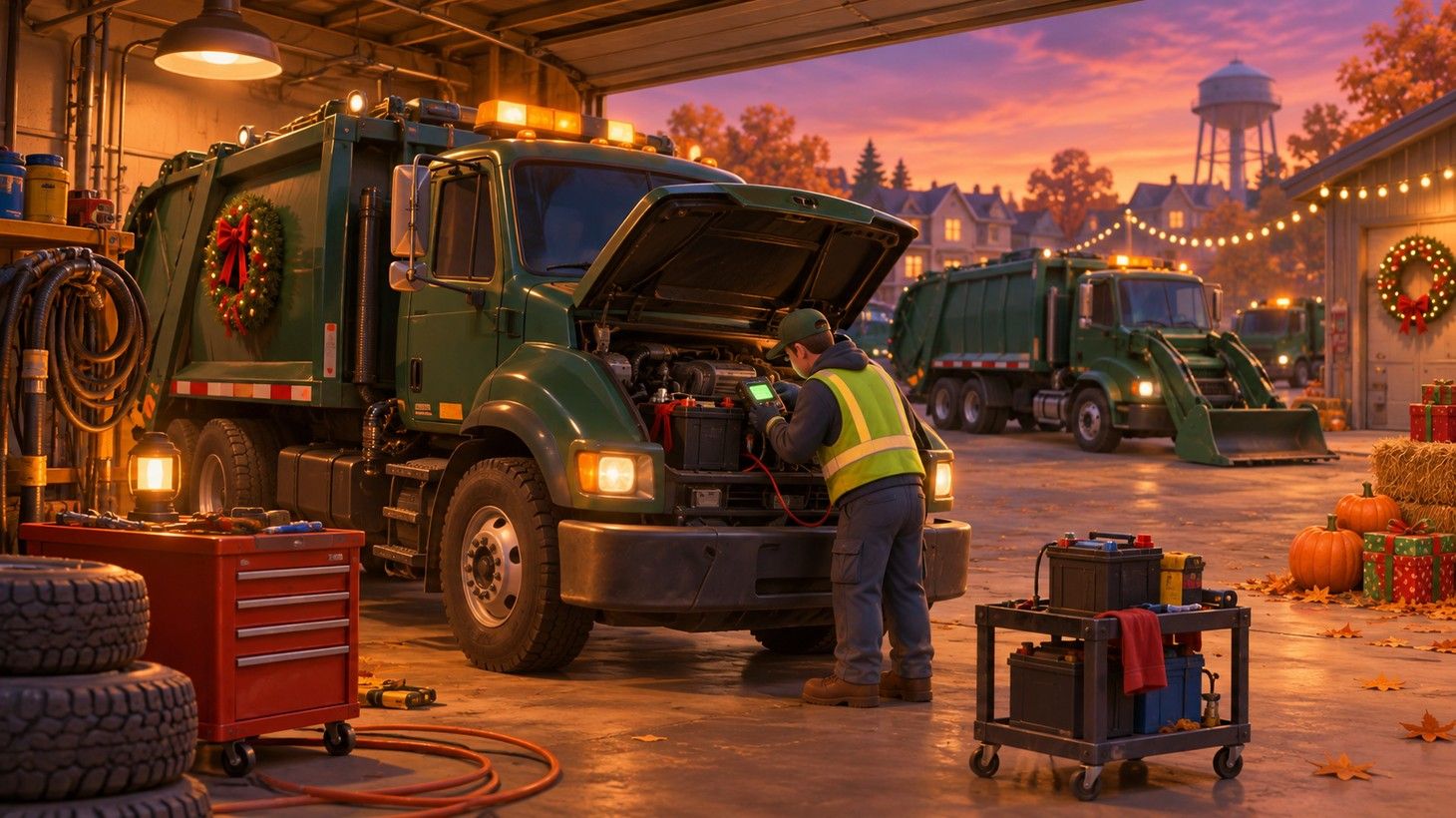
Schedule preventive maintenance and address known defects before the busiest period. OSHA recommends manufacturer-based maintenance, pre- and post-trip inspections, and prompt repair of vehicle deficiencies (OSHA vehicle safety guidance).
Use this planning checklist alongside your required inspections and the chassis and equipment manufacturers’ procedures. Have qualified personnel inspect the entire truck and all fitted equipment.
- Cab and visibility: Lights, mirrors, cameras, wipers, washers, defrosters, and driver controls.
- Engine and chassis: Batteries, charging systems, belts, cooling systems, and fuel-system condition.
- Brakes and running gear: Brakes, tires, wheels, steering, and suspension.
- Hydraulic and drive systems: Pumps, hoses, fittings, leaks, and power take-off operation using the applicable manufacturer procedures.
- Body and working equipment: Fitted lifting, loading, packing, hoisting, or grapple equipment and its manufacturer-specified safety devices.
- Repair follow-through: Document findings, assign responsibility, and verify completion before returning affected equipment to service.
Give your spare truck the same attention as your everyday route trucks. A useful backup plan identifies a serviceable vehicle and a qualified operator, not just a truck parked in the yard.
Prepare for the weather your crews actually face

Build your weather plan around local forecasts and route conditions, whether that means rain and poor visibility or freezing temperatures and ice. OSHA identifies slippery surfaces, wind, and environmental cold as winter-work hazards and recommends preparation, training, and appropriate protective measures (OSHA winter weather guidance).
Before each shift, review conditions and decide whether routes, start times, clothing, or equipment need to change. Make sure drivers know how to report unsafe conditions and who can authorize a service delay.
- Driver readiness: Refresh safe-driving expectations and equipment-specific procedures.
- Crew protection: Review footwear, high-visibility clothing, weather protection, and appropriate breaks.
- Walking surfaces: Include truck steps, access areas, and the yard in your hazard review.
- Communication: Confirm how crews reach dispatch and who makes weather-related service decisions.
Do not let a holiday backlog become a reason to work through unsafe conditions. OSHA recommends monitoring weather, maintaining communication, and having the ability to stop work or evacuate when necessary (OSHA winter preparedness guidance).
Arrange backup equipment before you need it

If your schedule shows an equipment gap, discuss rental options before the dates you need coverage. Match the truck to the route, body type, capacity, access requirements, and operator training, then confirm availability, timing, and terms.
RDK rental trucks are available with a three-month minimum. Talk with RDK about the equipment and start date that fit your operation. RDK gives you more choice.
Remember that another truck addresses an equipment shortage, not a staffing shortage. Decide who will operate it and how it fits into the schedule before making the commitment.
Consider the same backup planning for maintenance support. Confirm who can authorize a repair, how to reach your service provider, and what your team should do if a truck cannot finish its route.
Keep customers informed

Give customers clear notice of pickup changes, extra-waste rules, and special collection arrangements. Make the message easy to find and repeat it before the affected service day.
For recycling instructions, use your local program’s requirements rather than a generic holiday list. Accepted materials vary by provider, so customers should follow their local collection guidance (EPA recycling guidance).
Give dispatch and customer-service staff the same information you publish. Everyone should be working from one schedule and one set of instructions.
Start now, not on the first missed route

Bring operations, maintenance, and scheduling together for a short readiness meeting. Leave with a named owner for each open issue, a deadline, and a backup plan everyone can find.
Your plan should answer four questions:
- Workload: Which routes need extra capacity?
- People: Who covers approved vacations and unexpected absences?
- Equipment: Which trucks are ready, including the spare?
- Backup: What happens when the day does not go as planned?
The goal is not to ask fewer people to keep working harder. It is to prepare the operation so your team can work safely, customers know what to expect, and one unexpected problem does not derail the entire week.
RDK gives you more choice
RDK offers new trucks, used trucks, rental trucks, parts, and service to support your fleet needs (RDK Truck Sales). Talk with our team about your seasonal equipment and support needs, and confirm the right fit, availability, and timing before the rush.
Rental trucks available. Three-month minimum.
Contact RDK to discuss equipment availability, start dates, and rental terms.
RDK gives you more choice. Plan ahead so your trucks and your team are ready for the season.
Call (813) 241-0711
Own, lease, or rent? See the best term for ASL, rear loader, roll-off and front loader refuse trucks, based on real cycle counts and wear.

After 40 years in refuse, RDK's Richard Kemner shares real cold-weather hydraulic maintenance tips to keep your fleet running all winter.

Spring hydraulic system maintenance checklist for refuse trucks — fluid, hoses, cylinders & filters. 40+ years of expertise from RDK Truck Sales.